








Khalid Bin Morshed Ramim:-
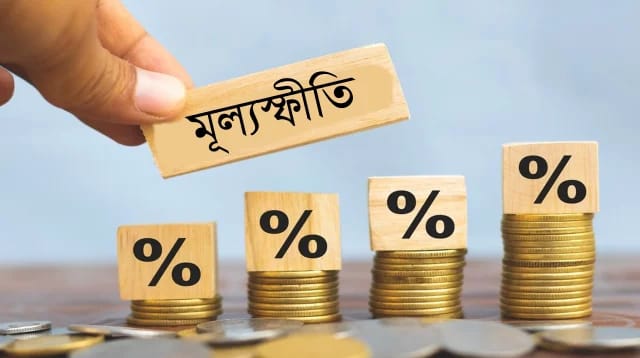
It is not a simple process to get started with your own business in Bangladesh in 2026. Energy costs are
still rising and electricity prices have risen by over 17 percent, while the inflation rate has been over 9
percent for months. Operating costs are a concern for even large conglomerates, as they will cut back
on output and delay expansion. But startups belonging to the Generation Z might be better equipped to
deal with these challenges.
Many businesses run on the Gen-Z model, which is not factory-based, energy-intensive or pays huge
salaries, in comparison to large corporations that currently do. Social commerce and freelancing, or
digital services, or subscription-based businesses, don’t need to be built with large physical spaces.
Today, three strategies stand out as particularly significant: operating as an asset-light business with
online sales and cloud-based services rather than in physical stores; keeping a margin of 10-15 percent
to cover increases in costs, and diversifying income through alternative means such as freelancing or
export activities that provide foreign-currency revenues.
So, is it a good time to start a business? That is, it depends on the business model. B2B businesses
with high costs and low volumes are at risk, while those that provide low cost, high value solutions will
have opportunities to capitalize during an economic downturn. To sum up, the situation of the economy
in Bangladesh is tough, but the tough times can be turned into opportunities as well.
Gen-Z entrepreneurs can leverage technology, creativity, flexibility and innovation to compete with
bigger businesses. It’s not a question about if Gen-Z can survive in this economy, it’s a question about if
they can build businesses that will survive in this economy.
Khalid Bin Morshed Ramim:-
It is not a simple process to get started with your own business in Bangladesh in 2026. Energy costs are
still rising and electricity prices have risen by over 17 percent, while the inflation rate has been over 9
percent for months. Operating costs are a concern for even large conglomerates, as they will cut back
on output and delay expansion. But startups belonging to the Generation Z might be better equipped to
deal with these challenges.
Many businesses run on the Gen-Z model, which is not factory-based, energy-intensive or pays huge
salaries, in comparison to large corporations that currently do. Social commerce and freelancing, or
digital services, or subscription-based businesses, don’t need to be built with large physical spaces.
Today, three strategies stand out as particularly significant: operating as an asset-light business with
online sales and cloud-based services rather than in physical stores; keeping a margin of 10-15 percent
to cover increases in costs, and diversifying income through alternative means such as freelancing or
export activities that provide foreign-currency revenues.
So, is it a good time to start a business? That is, it depends on the business model. B2B businesses
with high costs and low volumes are at risk, while those that provide low cost, high value solutions will
have opportunities to capitalize during an economic downturn. To sum up, the situation of the economy
in Bangladesh is tough, but the tough times can be turned into opportunities as well.
Gen-Z entrepreneurs can leverage technology, creativity, flexibility and innovation to compete with
bigger businesses. It’s not a question about if Gen-Z can survive in this economy, it’s a question about if
they can build businesses that will survive in this economy.